Maintaining the rich color and supple texture of leather bar stools without fading requires a consistent, gentle approach, primarily focusing on identifying the leather type, using pH-balanced cleaning solutions, and protecting against direct sunlight. Most bar stools feature finished leather, which is more durable and easier to clean than delicate unfinished leather. By following a routine of weekly dusting, immediate spill management, and conditioning every 6 to 12 months, you can preserve your leather bar stools’ pristine appearance for years.
Understanding Your Leather: Types and Their Cleaning Considerations
Before you begin any cleaning process, it’s crucial to identify the type of leather on your bar stools. Most bar stools feature finished leather, which has a protective topcoat, making it more durable and easier to clean. This guide primarily focuses on caring for finished leather. Unfinished leather, like aniline or nubuck, is more delicate and requires specialized cleaning products and professional care, as DIY methods can easily cause damage or fading. Always check the manufacturer’s care instructions if available, as these provide the most accurate guidance for your specific leather type. Knowing your leather is the first step in preventing accidental fading or damage during cleaning.
Key Factors for Safe Leather Bar Stool Cleaning
To effectively clean your leather bar stools without risking fading or deterioration, several critical factors must be considered. First, gentleness is paramount. Harsh scrubbing can abrade the leather’s finish, leading to permanent damage and discoloration. Always use soft microfiber cloths and apply minimal pressure. Second, avoid harsh chemicals at all costs. Products containing bleach, ammonia, alcohol, or even many common household cleaners can strip the leather’s natural oils, dry it out, and cause immediate fading or cracking. Opt for pH-balanced, mild solutions. Third, immediate action on spills is vital; leather is porous and can absorb liquids quickly, leading to stains and potential color changes if not addressed promptly. Finally, spot testing any cleaning solution, whether DIY or commercial, on an inconspicuous area before full application is non-negotiable to ensure it doesn’t cause any adverse reactions. For expert home furniture reviews on this site.
Comparison of DIY vs. Commercial Leather Cleaning Methods
When it comes to cleaning leather bar stools, you have options ranging from readily available household items to specialized commercial products. Both have their merits and drawbacks.
| Feature | DIY Mild Soap & Water Solution | Commercial Leather Cleaner & Conditioner |
|---|---|---|
| Ingredients | Lukewarm water, a few drops of mild dish soap (e.g., Dawn) or baby shampoo | Formulated chemical solutions, often pH-balanced, with conditioning agents and sometimes UV protectants |
| Cost | Very low, uses common household items | Moderate to high, depending on brand and quality |
| Effectiveness | Excellent for routine dusting, light dirt, and fresh spills. | Superior for deep cleaning, stain removal, and long-term protection. |
| Fading Risk | Low, if soap is mild, pH-balanced, and used sparingly. Avoid oversaturation. | Very low, as formulations are designed to protect leather color and integrity. |
| Ease of Use | Simple to prepare and apply. | Typically easy with spray or wipe-on formulas, often requiring less effort. |
| Conditioning | Provides minimal conditioning; requires separate leather conditioner. | Often includes conditioning agents, simplifying the process. |
| Special Stains | Less effective on stubborn grease, ink, or set-in protein stains. | More effective on specific tough stains, with specialized formulas available. |
| Recommendations | Ideal for frequent, light cleaning and fresh spills to maintain daily appearance. | Recommended for thorough cleaning, conditioning, and enhancing the lifespan and appearance of leather. |
For everyday maintenance and minor issues, a DIY solution is highly effective. However, for deeper cleaning, comprehensive conditioning, and protection against fading and damage, investing in a quality commercial leather cleaner and conditioner is often the superior choice.
Step-by-Step Guide to Cleaning Leather Bar Stools
|
Our Picks for the Best Bar Stool in 2026
As an Amazon Associate I earn from qualifying purchases.
|
||
| Num | Product | Action |
|---|---|---|
| 1 | Bar Stools, Set of 2 Bar Chairs with Backrest and Footrest, 26" Breakfast Chairs, Counter Stools for Bar, Living Room, Kitchen, and Dining Room, Rustic Brown and Black BAHR05101 |

|
| 2 | FDW Metal Bar Stools Set of 4 Counter Height Bar Stools 24 Inches Industrial Bar Chairs Patio Stool Stackable Backless Stool Indoor Outdoor Metal Kitchen Stools Bar Chairs (Black, 24") |
|
| 3 | HOOBRO Bar Stools, Set of 2 Bar Chairs, Counter Height Stools, Saddle Barstools with Curved Surface, 24.8 Inches, 2.4" Thick Upholstery, for Kitchen, Dining Room, Cafe Black BB10BY01 |
|
| 4 | Counter Height Bar Stools Set of 2, 24 Inch Barstools for Kitchen Counter, Kitchen Stools with Bonded Leather Saddle Seats & Heavy Duty Metal Legs, Easy Assembly, All Black |
|
| 5 | Amazon Basics Solid Wood Saddle-Seat Counter Height Bar Stools for Kitchen Island with Footrest, 24-Inch Height, Walnut, Set of 2 |
|
| 6 | Bar Stools Set of 2, Tall Bar Stools with Backrest and Footrest, Counter Height Bar Chairs, Industrial Barstools with PU Leather Cushion, for Kitchen, Dining Room, Bar, Cafe (Black) KBS515B |
|
| 7 | 24 Inch Counter Height Bar Stools Set of 2, Compact Counter Stools for Small Spaces, Premium Faux Leather Barstools with Right-Sized Saddle Seat & Metal Legs, 15-Minute Easy Assembly, Black |
|
| 8 | HOOBRO Bar Stools, Set of 2 Bar Chairs, 23.6 Inch Saddle Stools, Kitchen Counter Seat with Footrests, Industrial Barstools for Dining Room, Kitchen, Counter, Rustic Brown and Black BF02MD01 |
|
| 9 | WORKPRO Heavy Duty Adjustable Hydraulic Shop Stool,Garage Bar Stool, 29in to 33.86in, 330-Pound Capacity, Black |
|
| 10 | 29 Inch Bar Height Bar Stools Set of 2, 29" Barstools for Kitchen Island Counter, Backless Bonded Leather Bar Height Stools with Thick Saddle Seats & Heavy Duty Metal Base, Easy Assembly, Brown/Black |
|
Keeping your leather bar stools immaculate and protected from fading involves a consistent, gentle approach. Follow these steps for a thorough and safe cleaning routine:
-
Weekly Dusting: Begin your routine by using a soft, dry microfiber cloth to gently wipe down the entire surface of your leather bar stools. This removes loose dust, crumbs, and surface grime that can otherwise scratch the leather over time. For crevices, a vacuum cleaner with a soft brush attachment can be very effective.
-
Immediate Spill Management: Accidents happen, but prompt action is crucial for leather. If a spill occurs, immediately blot the liquid with a clean, dry cloth. Never rub the spill, as this can spread the stain and push it deeper into the leather fibers. Continue blotting until as much liquid as possible is absorbed.
-
Preparing a Gentle Cleaning Solution: For general cleaning or tackling minor dirt, mix a few drops of mild, pH-balanced dish soap or baby shampoo with about two cups of lukewarm water. Stir gently until a light suds form. Avoid harsh detergents, as they can strip natural oils and lead to fading.
-
Spot Test First: Before applying any solution to the entire bar stool, dip a clean, white microfiber cloth into your cleaning solution, wring it out thoroughly until it’s barely damp, and test it on an inconspicuous area of the leather, such as the underside of the seat or a hidden seam. Allow it to dry completely. Check for any discoloration, streaking, or damage. If the leather appears unaffected, proceed with confidence.
-
Gentle Cleaning Application: Dampen a fresh microfiber cloth with your tested cleaning solution, ensuring it’s not dripping wet. Gently wipe a small section of the leather surface in a circular motion. The key is to clean in small sections to prevent over-saturating the leather. Immediately follow this with a second clean, dry microfiber cloth to wipe away any excess moisture and soap residue. Repeat this process across the entire leather surface.
-
Conditioning for Longevity: After cleaning, and once the leather is completely dry, apply a high-quality leather conditioner. Conditioning is vital for restoring moisture, maintaining pliability, and preventing the leather from drying out, cracking, and fading. Apply a small amount of conditioner to a clean microfiber cloth and gently rub it into the leather in circular motions, following the product’s instructions. Allow it to penetrate for a few minutes, then buff off any excess with a clean, dry cloth. Aim to condition your leather bar stools every 6 to 12 months, or more frequently if they are in high-traffic areas or exposed to dry conditions.
Tackling Stubborn Stains on Leather Bar Stools
While regular cleaning handles most dirt, stubborn stains require targeted, cautious treatment to prevent fading or damage.
- Grease Stains: For greasy spots, immediately sprinkle cornstarch or baking soda liberally over the stain. These powders absorb oil. Let it sit for several hours, or even overnight, allowing it to draw out the grease. Gently brush off the powder with a soft brush or vacuum with an upholstery attachment. Repeat if necessary.
- Ink Stains: Ink can be tricky. Dip a cotton swab in rubbing alcohol (isopropyl alcohol) and gently dab the ink stain. Do not rub vigorously, as this can spread the ink or damage the leather finish. Blot the area, changing cotton swabs frequently. Once the ink is lifted, wipe the area with a damp cloth and mild soap solution, then dry and condition. Always spot test alcohol in a hidden area first, as it can be harsh on some finishes.
- Protein/Food Stains: For stains like blood or food, a paste of two parts cornstarch to one part lemon juice can be effective. Apply the paste to the stain, let it sit for about 10 minutes, then wipe it off with a damp cloth, rinsing with a mild soap solution if needed, and drying thoroughly. Be extremely cautious with lemon juice on colored leather, as it can have a mild bleaching effect, so a discreet spot test is critical. Alternatively, a diluted mild soap solution (as used for general cleaning) can also work for fresh protein stains.
Preventing Fading: Beyond Cleaning
Preventing your leather bar stools from fading is an ongoing effort that extends beyond just cleaning. It requires proactive measures to protect your investment.
- Shield from Direct Sunlight: Prolonged exposure to direct sunlight is the primary culprit behind leather fading. UV rays break down the dyes and natural oils in the leather. Position your bar stools away from windows or use curtains, blinds, or UV-filtering film to block harmful rays. Rotate your stools occasionally to ensure even exposure if moving them isn’t an option.
- Maintain Humidity Levels: Leather, like skin, can dry out in arid environments. Maintaining a moderate humidity level in your home (ideally between 40-60%) can help prevent the leather from becoming brittle and dull, which often precedes fading.
- Regular Conditioning: As mentioned, consistent conditioning with a quality leather conditioner is key. These products replenish the leather’s natural oils, keeping it supple, hydrated, and resilient against environmental stressors that contribute to fading. Look for conditioners that offer UV protection for an extra layer of defense.
- Avoid Harsh Chemicals and Heat: Reiterate the importance of avoiding cleaning agents containing harsh chemicals. Additionally, keep leather away from direct heat sources like radiators or fireplaces, as excessive heat can dry and crack the leather, leading to discoloration.
- Consider a Stain Guard: For high-traffic stools or those prone to spills, applying a leather-specific stain guard can create an invisible barrier that repels liquids and prevents stains from setting in, further safeguarding against color degradation.
Top Recommended Products for Fading-Free Leather Care
Choosing the right products is essential for effective, fading-free leather care. Here are some highly recommended options that blend quality, efficacy, and safety:
-
Leather Cleaners:
- Leather Honey Leather Cleaner: This non-toxic, concentrate formula is gentle yet effective for deep cleaning various leather types, and often comes with UV protectant. It’s renowned for its ability to clean without stripping essential oils.
- Weiman Leather Cleaner & Conditioner Spray: A convenient multi-action formula that cleans, moisturizes, and protects, often including UVX-15 sunscreen to guard against sun damage and fading. It’s excellent for routine cleaning and light conditioning.
- Mild Dish Soap or Baby Shampoo: For DIY enthusiasts, a few drops of a pH-balanced, gentle dish soap (like Dawn) or pure baby shampoo diluted in lukewarm water serves as an excellent, non-abrasive cleaning agent for light dirt and spills.
-
Leather Conditioners:
- Leather Honey Leather Conditioner: Pairs perfectly with their cleaner, providing deep conditioning that keeps leather soft, supple, and resistant to drying and cracking, which helps prevent fading.
- Fiebing’s Liquid Mink Oil: A long-standing favorite for rejuvenating fine leather surfaces. Mink oil helps to moisturize and protect, enhancing the leather’s natural sheen and resilience.
- Products with UV Protectants: Always prioritize conditioners that specifically mention UV protection. These offer an added layer of defense against sun-induced fading, which is crucial for leather furniture.
-
Tools:
- High-Quality Microfiber Cloths: Essential for both cleaning and buffing, as their soft fibers prevent scratching and effectively lift dirt without being abrasive.
- Soft-Bristle Brushes: Useful for gently dislodging dirt from textured leather or tight seams before wiping.
Using these recommended products, coupled with diligent application, will ensure your leather bar stools remain vibrant and beautiful without any worry of fading.
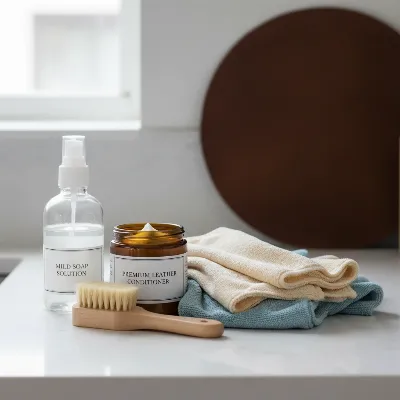 A collection of leather cleaning tools and products for bar stools, featuring microfiber cloths, a spray bottle of mild soap solution, a container of leather conditioner, and a soft brush, all neatly arranged on a clean, light-colored surface with a leather swatch in the background, bright, studio lighting, realistic style
Conclusion
Maintaining the luxurious appeal of your leather bar stools without succumbing to fading is entirely achievable with a mindful and consistent approach. From understanding the specific needs of finished leather to embracing a routine of gentle cleaning, immediate spill response, and regular conditioning, every step plays a crucial role. Protecting your stools from direct sunlight and avoiding harsh chemicals are non-negotiable safeguards that ensure the longevity of their rich color and texture. By integrating these DIY and expert-recommended practices into your furniture care, you’re not just cleaning; you’re preserving an investment, allowing your leather bar stools to remain a timeless and vibrant feature in your home for years to come. What are your go-to tips for keeping leather furniture looking its best?
Frequently Asked Questions
How often should I clean my leather bar stools for optimal maintenance?
For optimal maintenance, dust your leather bar stools weekly with a dry microfiber cloth. A general cleaning with a mild soap solution should be done every few months, or as needed, based on usage and visible dirt. Conditioning is recommended every 6 to 12 months to keep the leather hydrated and protected.
Can household cleaners like vinegar or bleach be used on leather?
No, it's generally best to avoid harsh household cleaners like pure vinegar, bleach, ammonia, or alcohol-based products on finished leather. These can strip the leather's natural oils, leading to dryness, cracking, and irreversible fading. Always opt for pH-balanced mild soap solutions or specialized leather cleaners.
What are the main causes of leather fading over time?
The primary cause of leather fading is prolonged exposure to direct sunlight and its harmful UV rays, which break down the dyes and natural pigments in the leather. Other factors include exposure to harsh chemicals, excessive dryness due to lack of conditioning, and general wear and tear that degrades the protective finish.
What is the correct way to spot test a new cleaning product on leather?
To spot test, apply a small amount of your chosen cleaning solution to an inconspicuous area of your leather bar stool, such as a hidden seam or the underside of the seat. Use a clean, white microfiber cloth, ensuring it's barely damp. Allow the area to dry completely, which might take a few hours, then check for any signs of discoloration, streaking, darkening, or damage before proceeding to clean the entire piece.
How can I remove grease stains from my leather bar stools?
For grease stains, immediately sprinkle cornstarch or baking soda liberally over the stain. Let it sit for several hours, or even overnight, to absorb the oil. Gently brush off the powder with a soft brush or vacuum with an upholstery attachment, repeating if necessary.
Why is conditioning important for preventing leather bar stool fading?
Conditioning is vital for restoring moisture, maintaining pliability, and preventing the leather from drying out, cracking, and fading. High-quality leather conditioners replenish natural oils, keeping the leather supple, hydrated, and resilient against environmental stressors. Look for conditioners with UV protection for an added layer of defense against sun-induced fading.
How to Clean Leather Bar Stools Without Fading
Keep your leather bar stools looking pristine and vibrant by following a consistent, gentle cleaning and conditioning routine.
Gently wipe down the entire surface of your leather bar stools with a soft, dry microfiber cloth. This removes loose dust and grime that can cause scratches. For crevices, use a vacuum cleaner with a soft brush attachment.
If a spill occurs, immediately blot the liquid with a clean, dry cloth. Never rub the spill, as this can spread the stain and push it deeper into the leather fibers. Continue blotting until as much liquid as possible is absorbed.
For general cleaning or minor dirt, mix a few drops of mild, pH-balanced dish soap (like Dawn) or baby shampoo with about two cups of lukewarm water. Stir gently until a light suds form, avoiding harsh detergents that can strip natural oils.
Before applying any solution to the entire bar stool, dip a clean, white microfiber cloth into your cleaning solution, wring it out until barely damp, and test it on an inconspicuous area. Allow it to dry completely and check for discoloration or damage before proceeding.
Dampen a fresh microfiber cloth with the tested cleaning solution, ensuring it's not dripping wet. Gently wipe a small section of the leather surface in a circular motion. Immediately follow with a second clean, dry microfiber cloth to wipe away excess moisture and soap residue, repeating across the entire surface.

I’ve always been so nervous about cleaning my leather bar stools because I didn’t want to ruin the finish. This guide was a lifesaver! The tip about using pH-balanced cleaning solutions really made a difference. My stools look fantastic and the color is still so rich, no fading at all.
The information about conditioning every 6 to 12 months was helpful, but I wish there were more specific product recommendations for conditioners. It’s hard to know which ones are truly safe for finished leather without causing any damage. My stools are cleaner, but I’m still on the hunt for the perfect conditioner.
This was exactly what I needed! My bar stools are a focal point in my kitchen, and keeping them looking new is important. The emphasis on protecting against direct sunlight was a good reminder, as I sometimes forget to close the blinds. My leather has never looked better.
Great advice here, especially about identifying the leather type. I always assumed all leather was the same, but understanding that most bar stools have finished leather made me feel much more confident. The routine of weekly dusting and immediate spill management is easy to follow and has kept my stools looking good.