Choosing between counter height and bar height stools is crucial for comfort and aesthetics in any kitchen or home bar. Counter height stools typically have a seat height of 24 to 27 inches, designed for surfaces 34 to 36 inches high, while bar height stools feature seat heights of 28 to 33 inches for surfaces 40 to 42 inches high. The key is maintaining a 10 to 12-inch clearance between the stool seat and the counter underside for optimal legroom and ergonomic comfort, ensuring proper posture and seamless integration with your space.
Counter Height vs. Bar Height Stools: Understanding the Core Differences
The fundamental distinction between counter height and bar height stools lies in the elevation of the surfaces they are designed to accompany. Understanding these standard measurements is the first step toward making an informed decision for your home.
What is Counter Height?
Counter height surfaces are typically designed to align with standard kitchen countertops, offering a versatile space for various activities. A standard kitchen counter or island usually measures between 34 to 36 inches from the floor, though some can range up to 40 inches. For these surfaces, counter height stools generally have a seat height ranging from 24 to 27 inches. This height is often considered ideal for meal preparation, casual dining, and family gatherings, promoting comfort and accessibility for most adults and children. It integrates seamlessly with the rest of the kitchen, fostering a cohesive and functional workspace. For home furniture buying guides on this site.
What is Bar Height?
Bar height surfaces, as the name suggests, are taller, designed to create a more elevated and social atmosphere. Standard bar tops or raised kitchen islands typically stand between 40 to 42 inches from the floor, with some reaching 43 inches. To complement these taller surfaces, bar height stools feature seat heights between 28 to 33 inches. These stools are perfect for entertaining, creating a distinct social zone, and can visually separate cooking areas from gathering spaces. They lend a sophisticated, pub-like feel to a home, making them a popular choice for dedicated home bars or islands primarily used for drinks and appetizers.
The Critical 10-12 Inch Rule
Regardless of whether you choose counter or bar height, the golden rule for comfortable seating is to maintain a clearance of 10 to 12 inches between the top of the stool’s seat and the underside of the counter or bar surface. This distance ensures ample legroom, preventing knees from hitting the surface and allowing for easy movement in and out of the stool. Always measure your surface from the floor to the top and subtract 10-12 inches to determine your ideal seat height. This guideline is crucial for ergonomic comfort and overall user experience.
Types of Bar Stools Beyond Height
While height is paramount, bar stools come with a variety of features that enhance comfort, functionality, and aesthetic appeal.
Stools with Backrests
|
Our Picks for the Best Bar Stool in 2026
As an Amazon Associate I earn from qualifying purchases.
|
||
| Num | Product | Action |
|---|---|---|
| 1 | Counter Height Bar Stools Set of 2, 24 Inch Barstools for Kitchen Counter, Kitchen Stools with Bonded Leather Saddle Seats & Heavy Duty Metal Legs, Easy Assembly, All Black |

|
| 2 | HOOBRO Bar Stools, Set of 2 Bar Chairs, 23.6 Inch Saddle Stools, Kitchen Counter Seat with Footrests, Industrial Barstools for Dining Room, Kitchen, Counter, Rustic Brown and Black BF02MD01 |
|
| 3 | Amazon Basics Solid Wood Saddle-Seat Counter Height Bar Stools for Kitchen Island with Footrest, 24-Inch Height, Walnut, Set of 2 |
|
| 4 | HOOBRO Bar Stools, Set of 2 Bar Chairs, Counter Height Stools, Saddle Barstools with Curved Surface, 24.8 Inches, 2.4" Thick Upholstery, for Kitchen, Dining Room, Cafe Black BB10BY01 |
|
| 5 | FDW Metal Bar Stools Set of 4 Counter Height Bar Stools 24 Inches Industrial Bar Chairs Patio Stool Stackable Backless Stool Indoor Outdoor Metal Kitchen Stools Bar Chairs (Black, 24") |
|
| 6 | 29 Inch Bar Height Bar Stools Set of 2, 29" Barstools for Kitchen Island Counter, Backless Bonded Leather Bar Height Stools with Thick Saddle Seats & Heavy Duty Metal Base, Easy Assembly, Brown/Black |
|
| 7 | WORKPRO Heavy Duty Adjustable Hydraulic Shop Stool,Garage Bar Stool, 29in to 33.86in, 330-Pound Capacity, Black |
|
| 8 | Bar Stools Set of 2, Tall Bar Stools with Backrest and Footrest, Counter Height Bar Chairs, Industrial Barstools with PU Leather Cushion, for Kitchen, Dining Room, Bar, Cafe (Black) KBS515B |
|
| 9 | 24 Inch Counter Height Bar Stools Set of 2, Compact Counter Stools for Small Spaces, Premium Faux Leather Barstools with Right-Sized Saddle Seat & Metal Legs, 15-Minute Easy Assembly, Black |
|
| 10 | Bar Stools, Set of 2 Bar Chairs with Backrest and Footrest, 26" Breakfast Chairs, Counter Stools for Bar, Living Room, Kitchen, and Dining Room, Rustic Brown and Black BAHR05101 |
|
Stools with backrests offer significant ergonomic advantages, providing support for the lower back and promoting better posture, especially during extended use. They come in various back heights, from low-profile designs that offer minimal support but a sleek look to high backrests that cradle the entire spine. While they may take up more visual space, the added comfort is often worth it for dining or prolonged socializing.
Backless Stools
Backless stools, on the other hand, are celebrated for their minimalist aesthetic and ability to tuck completely under a counter, making them ideal for smaller spaces or when you want to maintain an unobstructed view. They encourage a more active sitting posture and are perfect for short-term seating or situations where easy mobility is desired. However, they offer no lumbar support, which can be a drawback for longer periods of sitting.
Adjustable Height Stools
For ultimate versatility, adjustable height stools feature a pneumatic or manual lift mechanism that allows the seat height to be modified within a certain range. These are excellent solutions for spaces used by people of varying heights or for multi-functional areas that serve as both a counter and an occasional bar. They can adapt to different surface heights, making them a flexible choice for evolving needs.
Swivel Stools
Swivel stools incorporate a rotating seat, allowing users to easily turn and engage with conversations or move around without repositioning the entire stool. This feature is particularly useful in social settings, busy kitchens, or open-concept living areas where fluid interaction is key. A good swivel mechanism should be smooth and durable.
Factors to Consider When Buying Your Perfect Stool
Selecting the right bar stool involves more than just picking a height; it requires a holistic approach to ensure it meets your practical needs and aesthetic desires.
Space Dimensions and Layout
Before shopping, meticulously measure your counter or bar’s height, width, and depth. Also, consider the available floor space around the seating area. You’ll need at least 36 inches of clearance around the island for safe movement and comfortable access. For spacing between stools, allow 6 to 11 inches between each stool to ensure adequate elbow room and easy maneuvering. If your stools have arms, account for their height to ensure they can slide under the counter.
Intended Use
The primary function of your seating area should heavily influence your choice.> “Consider how your kitchen or bar space is used daily. The right stool height and features will significantly enhance its functionality now and in the future.” – ReviewFrat.com Admin, Bar Stool Expert.
- Meal Prep and Casual Dining: Counter height stools are generally more comfortable for these tasks, aligning with typical kitchen workstation heights.
- Entertaining and Socializing: Bar height stools create a more dynamic, social hub, encouraging standing and mingling while also providing elevated seating.
- Children and Elderly: Counter height is often more accessible and safer for younger children and older adults due to the lower elevation.
User Comfort and Ergonomics
Comfort is non-negotiable, especially if stools will be used for extended periods.
- Back Support: For prolonged sitting, backrests are essential. Look for designs that support the natural curve of the spine, ideally with lumbar support.
- Footrests: A well-placed footrest is critical for higher stools where feet won’t touch the floor. It alleviates pressure on the thighs, promotes better posture, and adds stability. Ensure the footrest is at a comfortable height, allowing knees to be at a 90-degree angle.
- Seat Size and Cushioning: A wider and deeper seat offers more support for various body types. Quality cushioning, firm enough for support yet soft enough for comfort, makes a significant difference.
- Adjustability: Adjustable height and swivel functions can cater to diverse users and activities, maximizing ergonomic benefits.
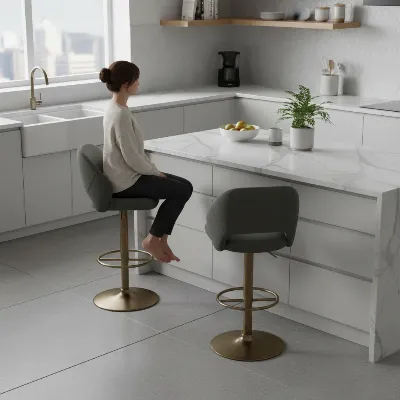 Ergonomic bar stools with footrests and back support for comfortable posture
Material and Design Aesthetics
Your bar stools should complement your existing decor.
- Materials: Common materials include wood (traditional, rustic), metal (industrial, modern), upholstered fabric (comfort, luxury), and plastic (contemporary, easy to clean).
- Style: From minimalist modern to ornate traditional, ensure the stool’s design harmonizes with your home’s interior. Consider the overall visual weight – a bulky stool in a small space can feel overwhelming.
Durability and Weight Capacity
Invest in stools built to last. Check the construction materials and the stated weight capacity to ensure they can withstand regular use. Solid wood, reinforced metal frames, and high-quality upholstery fabrics will offer better longevity. For families or high-traffic areas, commercial-grade options might be ideal.
Budget
Bar stools are available across a wide price spectrum. Setting a budget beforehand helps narrow down your options. While it’s tempting to opt for cheaper alternatives, investing in durable, comfortable stools often pays off in the long run through increased longevity and user satisfaction.
Comparison: Counter Height vs. Bar Height Stools
Here’s a detailed comparison to help you weigh the pros and cons of each height.
| Feature | Counter Height Stools | Bar Height Stools |
|---|---|---|
| Surface Height | 34-36 inches (some up to 39-40 inches) | 40-42 inches (some up to 43 inches) |
| Stool Seat Height | 24-27 inches | 28-33 inches |
| Ideal For | Meal prep, casual dining, family activities, homework | Entertaining, social gatherings, home bars, quick drinks |
| Pros | More versatile, comfortable for all ages, integrates seamlessly with kitchen counters, easier accessibility. | Creates a distinct social zone, modern aesthetic, can conceal kitchen clutter, higher vantage point. |
| Cons | Less formal, may not create a strong visual separation. | Can be less accessible for children or shorter individuals, more difficult to move in/out, higher center of gravity. |
| Ergonomics | Easier to achieve 90-degree knee bend, feet often touch floor or lower footrest. | Requires a footrest, higher step-up, might feel less stable for some. |
A Step-by-Step Buying Guide for Your Bar Stools
Follow these steps to ensure you pick the perfect bar stools for your space.
1. Measure Your Counter/Bar
Precisely measure the height of your counter or bar from the floor to the top surface. Do this several times to ensure accuracy. Also, measure the length of the counter to determine how many stools will fit comfortably.
2. Determine Your Ideal Seat Height
Apply the 10-12 inch clearance rule. Subtract 10-12 inches from your counter/bar height to find the optimal seat height for your stools. For example, a 36-inch counter requires stools with a 24-26 inch seat height. A 42-inch bar needs stools with a 30-32 inch seat height.
3. Consider Additional Ergonomic Features
Decide if backrests, footrests, adjustable height, or swivel functions are important for your intended use and user comfort. If the stools will be used frequently or for long periods, prioritize ergonomic support.
4. Match Style and Material
Think about your home’s existing aesthetic. Do you need a modern metal, a rustic wood, or a luxurious upholstered stool? Ensure the material and design align with your interior decor.
5. Assess Durability
Check reviews and product specifications for information on construction quality, materials used, and weight capacity. Investing in well-built stools will save you from frequent replacements.
6. Set Your Budget
Establish a realistic budget before you start shopping. This will help you filter choices and focus on stools that offer the best value within your price range.
Top Picks for Comfort and Style
While specific models constantly evolve, here’s what to look for when choosing top-rated bar stools that prioritize comfort and style:
- For Families: Look for sturdy, counter-height stools with full backrests, comfortable cushioning, and easily cleanable, durable materials like faux leather or performance fabric. Adjustable height is a bonus for growing children.
- For Modern Minimalist Spaces: Sleek, backless or low-back designs in metal or molded plastic with clean lines are excellent choices. Consider stools with a subtle swivel for added functionality without compromising aesthetics.
- For Entertaining: Bar-height stools with a comfortable seat, robust footrests, and perhaps a 360-degree swivel are ideal for fostering a social atmosphere. Upholstered options can add a touch of luxury.
- For Small Kitchens: Backless stools that tuck away completely are a smart choice. Adjustable height stools can also serve multiple purposes without needing different furniture pieces.
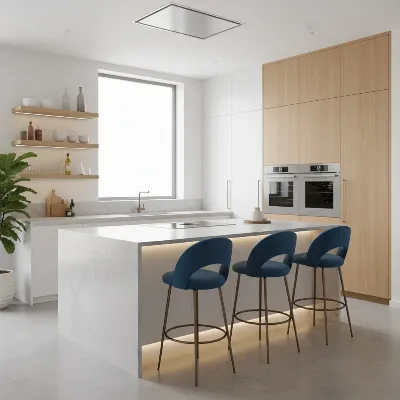 Sleek, comfortable bar height stools in a contemporary kitchen setting
Conclusion
Choosing between counter height and bar height stools is a foundational decision that impacts both the functionality and aesthetic harmony of your living space. By understanding the standard dimensions, carefully measuring your environment, and considering factors like intended use, user comfort, and design preferences, you can make an informed choice. The crucial 10-12 inch clearance rule ensures ergonomic seating and a comfortable experience for everyone. With countless styles and features available, finding the perfect bar stool is about marrying practical needs with personal style.
Frequently Asked Questions
Frequently Asked Questions
What is the standard height for a kitchen island?
The standard height for a kitchen island is typically 36 inches from the floor, matching conventional kitchen countertops. Islands designed for bar-style seating can be higher, often reaching 40-42 inches.
Can I mix counter height and bar height stools in the same room?
You can mix counter height and bar height stools in different areas of a large, open-concept room, such as a counter-height island and a separate bar-height table. However, it is generally not recommended for the same surface due to visual imbalance and varying comfort levels.
How much space should be between bar stools for comfort?
For comfortable seating, allow 6 to 11 inches of space between each bar stool. Additionally, ensure at least 36 inches of clearance around the counter or bar for easy movement, preventing overcrowding and ensuring elbow room.
Are adjustable height bar stools a good option for versatility?
Yes, adjustable height bar stools are an excellent option for versatility, accommodating different users and varying counter heights. They are particularly useful in multi-functional spaces or homes with guests of diverse statures, offering a seat height range that can adapt to various needs.
What's more comfortable, a backless or a backed bar stool?
Generally, a backed bar stool offers more comfort and better ergonomic support, especially for extended periods of sitting, by providing lumbar support. Backless stools are better for short-term seating, space-saving, and ease of movement, but lack back support.
How do I choose the right material for my bar stools?
When choosing bar stool material, consider durability, ease of cleaning, and how it complements your existing decor. Wood offers warmth, metal provides a modern edge, and upholstery adds comfort and luxury. For high-traffic areas, durable and easy-to-clean materials are recommended.
How to Choose the Perfect Bar Stools
Follow these steps to select the ideal bar stools for your home, considering height, ergonomics, style, and budget.
Precisely measure the height of your counter or bar from the floor to the top surface multiple times for accuracy. Also, measure the length to determine how many stools will fit comfortably, allowing 6 to 11 inches between each stool.
Apply the 10-12 inch clearance rule. Subtract 10-12 inches from your counter/bar height to find the optimal seat height for your stools. For example, a 36-inch counter needs stools with a 24-26 inch seat height.
Decide if backrests, footrests, adjustable height, or swivel functions are important for your intended use and user comfort. Prioritize ergonomic support if the stools will be used frequently or for long periods to ensure proper posture and stability.
Think about your home's existing aesthetic and choose materials and designs that harmonize with your interior decor. Consider wood for traditional, metal for modern, or upholstered fabric for luxury, ensuring the overall visual weight fits your space.
Check reviews and product specifications for construction quality and weight capacity to ensure longevity. Establish a realistic budget beforehand to filter choices and focus on stools that offer the best value within your price range, avoiding frequent replacements.

This was exactly what I needed! I always thought all stools were pretty much the same, but understanding the 24-27 inch seat height for counter stools made all the difference. My new stools for the kitchen counter are perfect, and my back feels much better now that I have the right height.
We just renovated our basement bar, and I was torn on the stool height. After reading this, I measured everything and realized we needed bar height stools for our 40-inch bar. They look great and are super comfortable. My only minor complaint is that assembly was a bit tricky on one of the stools.
I was so confused about what kind of stools to get for my new kitchen island. This really helped clarify the difference between counter height and bar height. I ended up going with bar height stools for my 41-inch bar, and they fit perfectly! The 10-inch clearance tip was a game-changer for comfort.
I appreciated the breakdown of seat heights for different counter types. I have a 35-inch counter, so I knew I needed counter height stools. However, the ones I ordered based on the general guidelines felt a little too short for my liking, even with the recommended clearance. I wish there was a bit more guidance on personal preference within those ranges.