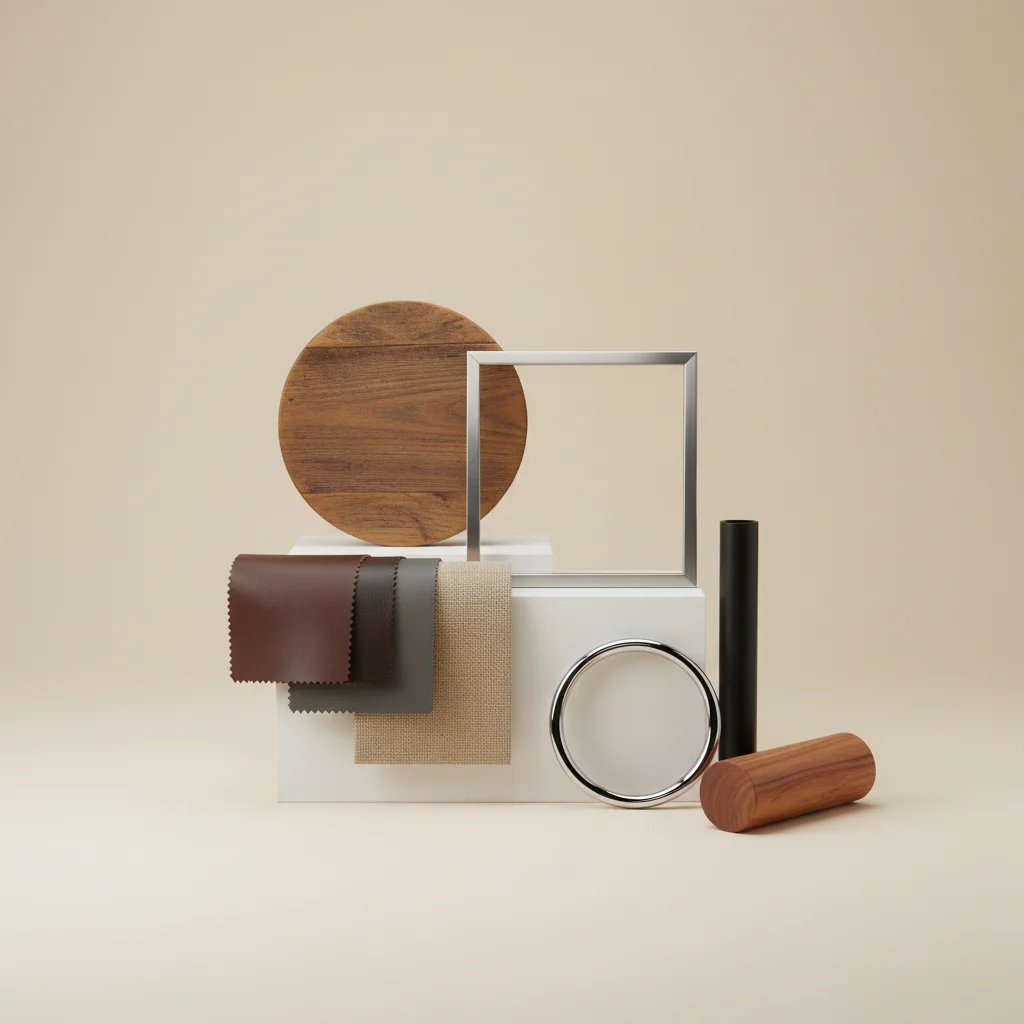
When investing in new bar stools, the materials they are constructed from play a crucial role in their longevity, comfort, and aesthetic appeal. The most durable bar stool materials typically include solid wood, metal (such as steel or wrought iron), and high-quality plastics. Each material offers distinct advantages in terms of resilience against wear and tear, ease of maintenance, and suitability for various environments, ensuring your investment stands the test of time.
Understanding Solid Wood Bar Stool Durability
Solid wood bar stools, particularly those made from hardwoods like oak, maple, or walnut, are renowned for their exceptional durability and timeless appeal. These materials resist dents and scratches better than softer woods and can often be refinished to extend their lifespan. The density and natural grain of solid wood provide a sturdy foundation, making them ideal for high-traffic areas. Proper care, including regular cleaning and occasional polishing, can preserve their beauty and structural integrity for decades.
The Strength of Metal Bar Stools
Metal bar stools, crafted from materials such as steel, wrought iron, or aluminum, offer superior strength and stability. Steel bar stools are particularly robust, capable of supporting significant weight and resisting bending or breaking. Wrought iron provides a classic, heavy-duty option often favored for its intricate designs and resistance to tipping. Aluminum, while lighter, is excellent for outdoor use due to its rust-resistant properties. The finish on metal stools, whether powder-coated or electroplated, also contributes to their resistance against corrosion and chipping.
- Solid Wood: Excellent for indoor longevity and classic aesthetics.
- Steel: Unmatched strength and modern industrial appeal.
- Wrought Iron: Heavy-duty, ornate, and highly stable.
- Aluminum: Lightweight, rust-resistant, ideal for outdoor settings.
- High-Density Polyethylene (HDPE): Durable, weather-resistant, and low maintenance.
High-Quality Plastic and Composite Options
|
Our Picks for the Best Bar Stool in 2026
As an Amazon Associate I earn from qualifying purchases.
|
||
| Num | Product | Action |
|---|---|---|
| 1 | Counter Height Bar Stools Set of 2, 24 Inch Barstools for Kitchen Counter, Kitchen Stools with Bonded Leather Saddle Seats & Heavy Duty Metal Legs, Easy Assembly, All Black |

|
| 2 | Bar Stools, Set of 2 Bar Chairs with Backrest and Footrest, 26" Breakfast Chairs, Counter Stools for Bar, Living Room, Kitchen, and Dining Room, Rustic Brown and Black BAHR05101 |
|
| 3 | HOOBRO Bar Stools, Set of 2 Bar Chairs, 23.6 Inch Saddle Stools, Kitchen Counter Seat with Footrests, Industrial Barstools for Dining Room, Kitchen, Counter, Rustic Brown and Black BF02MD01 |
|
| 4 | HOOBRO Bar Stools, Set of 2 Bar Chairs, Counter Height Stools, Saddle Barstools with Curved Surface, 24.8 Inches, 2.4" Thick Upholstery, for Kitchen, Dining Room, Cafe Black BB10BY01 |
|
| 5 | Bar Stools Set of 2, Tall Bar Stools with Backrest and Footrest, Counter Height Bar Chairs, Industrial Barstools with PU Leather Cushion, for Kitchen, Dining Room, Bar, Cafe (Black) KBS515B |
|
| 6 | 24 Inch Counter Height Bar Stools Set of 2, Compact Counter Stools for Small Spaces, Premium Faux Leather Barstools with Right-Sized Saddle Seat & Metal Legs, 15-Minute Easy Assembly, Black |
|
| 7 | Amazon Basics Solid Wood Saddle-Seat Counter Height Bar Stools for Kitchen Island with Footrest, 24-Inch Height, Walnut, Set of 2 |
|
| 8 | FDW Metal Bar Stools Set of 4 Counter Height Bar Stools 24 Inches Industrial Bar Chairs Patio Stool Stackable Backless Stool Indoor Outdoor Metal Kitchen Stools Bar Chairs (Black, 24") |
|
| 9 | 29 Inch Bar Height Bar Stools Set of 2, 29" Barstools for Kitchen Island Counter, Backless Bonded Leather Bar Height Stools with Thick Saddle Seats & Heavy Duty Metal Base, Easy Assembly, Brown/Black |
|
| 10 | WORKPRO Heavy Duty Adjustable Hydraulic Shop Stool,Garage Bar Stool, 29in to 33.86in, 330-Pound Capacity, Black |
|
Modern manufacturing has introduced high-quality plastic and composite materials that offer surprising durability and versatility for bar stools. Materials like polypropylene, ABS plastic, and fiberglass composites are lightweight, easy to clean, and resistant to moisture and UV rays, making them suitable for both indoor and outdoor use. While they may not have the heirloom quality of solid wood or metal, their resistance to chipping, fading, and cracking makes them a practical and long-lasting choice for contemporary spaces.
Upholstery and Fabric Considerations for Longevity
Beyond the frame, the upholstery material significantly impacts the overall durability and lifespan of a bar stool. For maximum longevity, consider fabrics like genuine leather, synthetic leather (PU or PVC), or high-performance textiles such as microfiber or olefin. Genuine leather is incredibly durable, developing a rich patina over time, while synthetic leathers offer a more budget-friendly and stain-resistant alternative. High-performance fabrics are engineered to resist spills, fading, and abrasion, making them ideal for busy households. The density of the foam padding also contributes to comfort and prevents premature sagging.
Maintenance Tips for Extending Bar Stool Life
Regardless of the material, proper maintenance is key to extending the life of your bar stools. For wood stools, avoid harsh chemicals and wipe spills immediately. Metal stools benefit from occasional cleaning with a damp cloth and checking for loose screws. Plastic stools are generally low-maintenance, requiring only soap and water. For upholstered stools, vacuum regularly and address stains promptly according to the fabric’s care instructions. Rotating your stools can also help distribute wear evenly, preventing one stool from deteriorating faster than others.
