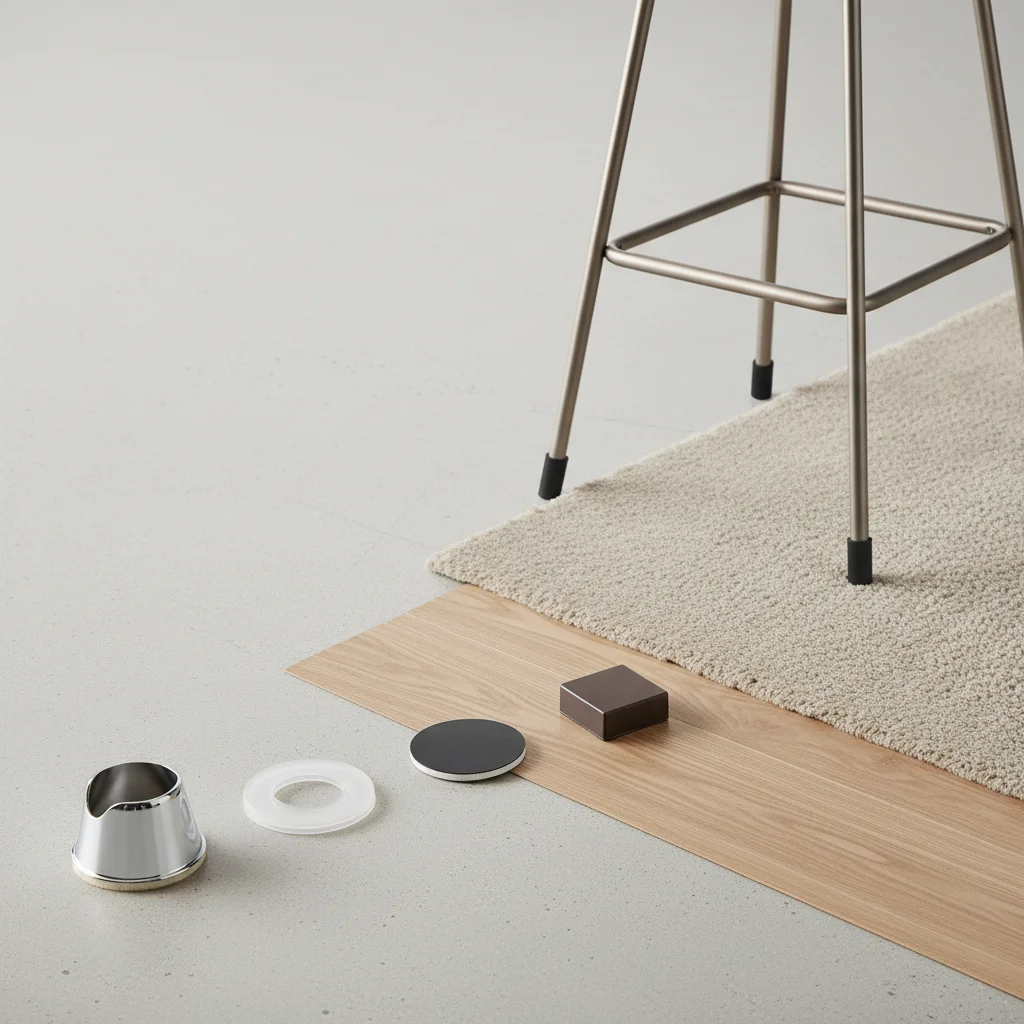
Bar stool glides are small, often overlooked accessories that play a crucial role in protecting your floors from scratches and scuffs. They are typically made from materials like felt, plastic, or rubber and attach to the bottom of bar stool legs. While seemingly minor, the right glides can significantly extend the life of your flooring, especially hardwood, laminate, and tile. Without them, the constant movement and weight of bar stools can lead to irreversible damage, making glides a worthwhile investment for any home.
There are three main types of bar stool glides, each offering distinct advantages depending on your flooring and usage. Felt glides are excellent for hardwood and laminate, providing a soft, quiet slide. Plastic glides are more durable and suitable for carpets or less delicate surfaces, while rubber glides offer superior grip and are ideal for preventing slippage on smooth floors like tile or polished concrete. Choosing the correct type ensures optimal floor protection and extends the lifespan of both your stools and your flooring.
Types of Bar Stool Glides and Their Best Uses
Felt glides are the most popular choice for homes with hardwood, laminate, or luxury vinyl plank flooring. Their soft, dense material allows bar stools to slide smoothly and silently across surfaces, preventing scratches and reducing noise. It’s important to select high-density felt glides, as cheaper alternatives can compress quickly and lose their effectiveness. For optimal performance, felt glides should be checked periodically for wear and replaced when they show signs of thinning or matting.
Plastic glides, often made from polyethylene or nylon, are a robust option for more durable flooring types such as carpet, linoleum, or outdoor patios. They offer excellent resistance to moisture and wear, making them a practical choice for high-traffic areas or environments where spills are common. While they may not be as quiet as felt glides on hard surfaces, their longevity and resilience make them a cost-effective solution for many households. Consider plastic glides for bar stools used in playrooms or outdoor kitchen areas.
Rubber glides provide superior grip and are ideal for preventing bar stools from sliding on slick surfaces like tile, polished concrete, or stone. Their non-slip properties enhance safety, especially in homes with children or elderly residents. Rubber glides also offer some shock absorption, which can help protect both the stool and the floor from impact. However, it’s crucial to ensure the rubber is non-marking to avoid leaving unsightly scuffs on lighter-colored floors. Always test a small, inconspicuous area first if you are unsure.
Installation and Maintenance Tips for Bar Stool Glides
|
Our Picks for the Best Bar Stool in 2026
As an Amazon Associate I earn from qualifying purchases.
|
||
| Num | Product | Action |
|---|---|---|
| 1 | HOOBRO Bar Stools, Set of 2 Bar Chairs, Counter Height Stools, Saddle Barstools with Curved Surface, 24.8 Inches, 2.4" Thick Upholstery, for Kitchen, Dining Room, Cafe Black BB10BY01 |

|
| 2 | 24 Inch Counter Height Bar Stools Set of 2, Compact Counter Stools for Small Spaces, Premium Faux Leather Barstools with Right-Sized Saddle Seat & Metal Legs, 15-Minute Easy Assembly, Black |
|
| 3 | 29 Inch Bar Height Bar Stools Set of 2, 29" Barstools for Kitchen Island Counter, Backless Bonded Leather Bar Height Stools with Thick Saddle Seats & Heavy Duty Metal Base, Easy Assembly, Brown/Black |
|
| 4 | Counter Height Bar Stools Set of 2, 24 Inch Barstools for Kitchen Counter, Kitchen Stools with Bonded Leather Saddle Seats & Heavy Duty Metal Legs, Easy Assembly, All Black |
|
| 5 | Amazon Basics Solid Wood Saddle-Seat Counter Height Bar Stools for Kitchen Island with Footrest, 24-Inch Height, Walnut, Set of 2 |
|
| 6 | Bar Stools, Set of 2 Bar Chairs with Backrest and Footrest, 26" Breakfast Chairs, Counter Stools for Bar, Living Room, Kitchen, and Dining Room, Rustic Brown and Black BAHR05101 |
|
| 7 | WORKPRO Heavy Duty Adjustable Hydraulic Shop Stool,Garage Bar Stool, 29in to 33.86in, 330-Pound Capacity, Black |
|
| 8 | HOOBRO Bar Stools, Set of 2 Bar Chairs, 23.6 Inch Saddle Stools, Kitchen Counter Seat with Footrests, Industrial Barstools for Dining Room, Kitchen, Counter, Rustic Brown and Black BF02MD01 |
|
| 9 | FDW Metal Bar Stools Set of 4 Counter Height Bar Stools 24 Inches Industrial Bar Chairs Patio Stool Stackable Backless Stool Indoor Outdoor Metal Kitchen Stools Bar Chairs (Black, 24") |
|
| 10 | Bar Stools Set of 2, Tall Bar Stools with Backrest and Footrest, Counter Height Bar Chairs, Industrial Barstools with PU Leather Cushion, for Kitchen, Dining Room, Bar, Cafe (Black) KBS515B |
|
Proper installation is key to the effectiveness and longevity of bar stool glides. For screw-in glides, pre-drilling a small pilot hole can prevent wood splitting and ensure a secure fit. Adhesive glides require a clean, dry surface for optimal bonding; thoroughly clean the bottom of the stool legs before application. For cap-style glides, ensure they fit snugly over the leg to prevent them from falling off during use. Incorrect installation can lead to glides detaching, leaving your floors vulnerable to damage.
Regular maintenance is essential to keep your glides performing their best. For felt glides, periodically clean them to remove embedded dirt and debris, which can act like sandpaper on your floors. A simple vacuum or lint roller can do the trick. Inspect all glides for wear and tear every few months. Worn-out glides should be replaced promptly to maintain floor protection. Keeping a spare set of glides on hand ensures you can address any issues quickly.
- Clean glides regularly to remove dirt and debris.
- Inspect for wear and tear every 3-4 months.
- Replace worn-out glides immediately.
- Ensure proper installation for maximum effectiveness.
- Consider different glide types for specific flooring.
Choosing the Right Glides for Your Home
When selecting bar stool glides, consider your specific flooring type, the frequency of use, and the weight of your bar stools. For delicate hardwood or laminate, high-density felt glides are almost always the best choice. If you have carpet or a more robust floor, plastic glides offer durability. For slippery surfaces, rubber glides provide essential grip and safety. Always measure the diameter of your bar stool legs to ensure you purchase glides that fit perfectly, as ill-fitting glides can be ineffective or even fall off.
Investing in quality bar stool glides is a small but significant step in preserving the beauty and integrity of your home’s flooring. They prevent costly damage, reduce noise, and enhance the overall longevity of your furniture. Don’t underestimate the power of these small accessories; they are a crucial component in maintaining a pristine home environment.For a wide selection of durable glides, check out our top recommendations.Remember, a little protection goes a long way in saving your floors from daily wear and tear.

I just installed the felt glides on our new bar stools and they are a game-changer! Our hardwood floors were starting to show some wear, and these have completely stopped the scratching. They slide so smoothly and quietly too. Definitely recommend them for anyone with delicate flooring.
We went with the plastic glides for our kitchen island stools since we have a mix of tile and a rug nearby. They’re holding up really well and seem super durable. My only minor complaint is that they’re a little louder than I expected when sliding on the tile, but it’s not a dealbreaker.
These glides are such a simple solution to a big problem. I was constantly worried about our bar stools damaging our new laminate flooring. The felt ones I got are perfect; they’re practically invisible and the stools glide effortlessly. Wish I had gotten these sooner!
I tried the rubber glides because our stools were always slipping on our polished concrete floor. While they definitely stopped the slipping, they also make it a bit hard to move the stools around. It takes more effort to pull them out, which is a bit annoying. They do protect the floor though.