Choosing between backless and high-back bar stools depends on balancing space, aesthetics, and comfort. Backless stools offer a minimalist, space-saving design ideal for short-term use and open-concept layouts, while high-back stools provide superior comfort, support, and a more traditional aesthetic, making them suitable for extended sitting and family-friendly environments. For example, backless stools can be neatly tucked under counters, maximizing floor space, whereas high-back stools offer lumbar support crucial for prolonged meals or work.
The Allure of Backless Bar Stools
Backless bar stools offer a sleek, unobtrusive design that has soared in popularity, especially in urban homes where space optimization is paramount. These stools are characterized by their seat and often a footrest, but notably lack a backrest. Their design philosophy leans towards minimalism and adaptability.
Pros of Backless Bar Stools:
- Space-Saving and Visual Flow: Without a back, these stools can be neatly tucked entirely under counters or tables when not in use, creating a clean, uncluttered look and maximizing floor space. They preserve open sightlines, making rooms feel larger and more connected, which is ideal for open-concept layouts.
- Enhanced Mobility and Versatility: Backless stools are generally lighter and easier to move, allowing for flexible seating arrangements. Guests can easily maneuver them, turn in any direction, or even sit facing either way, offering dynamic interaction in social settings.
- Cost-Effectiveness: Often requiring less material and simpler manufacturing processes, backless bar stools can be a more economical choice, appealing to those on a budget.
- Easy to Clean: For large bench spaces, cleaning around and over backless stools is often simpler.
- Durability: Some argue that by eliminating the back, which can be a weaker part of a stool, backless designs can be more robust over time, saving on potential repairs.
Cons of Backless Bar Stools:
- Limited Comfort for Extended Periods: The primary drawback of backless bar stools is the absence of back support. This can lead to discomfort, fatigue, and even poor posture if used for long durations, as your core muscles constantly work to maintain posture.
- Reduced Security: Without a backrest, there’s less stability and security. This can be a concern for children, older individuals, or in lively commercial environments where users might accidentally lean back.
- Smaller Seat Size: Some backless stools feature smaller seats, which might not be comfortable for all body types.
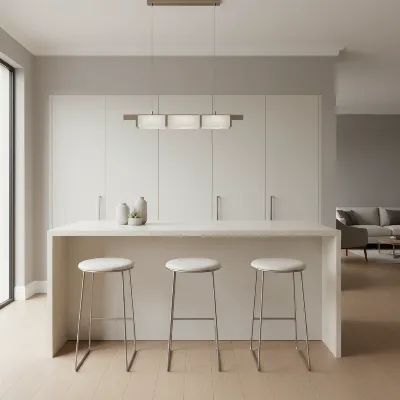 Sleek backless bar stools tucked neatly under a modern kitchen island, highlighting space-saving design.
The Comfort and Statement of High-Back Bar Stools
High-back bar stools, as their name suggests, feature a supportive backrest, offering a more traditional and chair-like seating experience. These stools prioritize comfort and can also serve as significant design elements within a room.
Pros of High-Back Bar Stools:
- Superior Comfort and Support: The most significant advantage is the enhanced comfort and lumbar support they provide. The backrest supports the natural curvature of the spine, reducing strain and fatigue during extended sitting, making them ideal for meals, work, or prolonged socializing.
- Improved Posture: By offering a supportive structure, high-back stools encourage better posture, helping to prevent slouching or hunching over the counter.
- Increased Safety and Security: The backrest provides a sense of security, reducing the risk of falling off, which is particularly beneficial for families with children or in commercial settings where stability is crucial.
- Stronger Design Impact: High-back stools offer more surface area for incorporating diverse materials, patterns, and textures, allowing them to serve as striking focal points that enhance your interior design vision.
- Versatility in Use: These stools are suitable for both casual and formal areas, and some higher-end models even include features like armrests, height adjustability, and recline functions for enhanced functionality.
Cons of High-Back Bar Stools:
- Space-Consuming and Visual Clutter: Their larger footprint means they cannot always tuck fully under counters, potentially obstructing sightlines and making a space feel more cluttered, especially in smaller areas.
- Limited Mobility: High-back stools are often heavier and bulkier, making them less portable and harder to rearrange frequently.
- Higher Cost: Generally, due to more materials and complex manufacturing, high-back bar stools can be a more significant investment.
- Cleaning Challenges: Their design can make cleaning more cumbersome, especially if they have intricate details or upholstery.
The Ultimate Showdown: Backless vs. High Back Bar Stools
|
Our Picks for the Best Bar Stool in 2026
As an Amazon Associate I earn from qualifying purchases.
|
||
| Num | Product | Action |
|---|---|---|
| 1 | WORKPRO Heavy Duty Adjustable Hydraulic Shop Stool,Garage Bar Stool, 29in to 33.86in, 330-Pound Capacity, Black |

|
| 2 | FDW Metal Bar Stools Set of 4 Counter Height Bar Stools 24 Inches Industrial Bar Chairs Patio Stool Stackable Backless Stool Indoor Outdoor Metal Kitchen Stools Bar Chairs (Black, 24") |
|
| 3 | HOOBRO Bar Stools, Set of 2 Bar Chairs, Counter Height Stools, Saddle Barstools with Curved Surface, 24.8 Inches, 2.4" Thick Upholstery, for Kitchen, Dining Room, Cafe Black BB10BY01 |
|
| 4 | HOOBRO Bar Stools, Set of 2 Bar Chairs, 23.6 Inch Saddle Stools, Kitchen Counter Seat with Footrests, Industrial Barstools for Dining Room, Kitchen, Counter, Rustic Brown and Black BF02MD01 |
|
| 5 | 24 Inch Counter Height Bar Stools Set of 2, Compact Counter Stools for Small Spaces, Premium Faux Leather Barstools with Right-Sized Saddle Seat & Metal Legs, 15-Minute Easy Assembly, Black |
|
| 6 | Bar Stools Set of 2, Tall Bar Stools with Backrest and Footrest, Counter Height Bar Chairs, Industrial Barstools with PU Leather Cushion, for Kitchen, Dining Room, Bar, Cafe (Black) KBS515B |
|
| 7 | Counter Height Bar Stools Set of 2, 24 Inch Barstools for Kitchen Counter, Kitchen Stools with Bonded Leather Saddle Seats & Heavy Duty Metal Legs, Easy Assembly, All Black |
|
| 8 | 29 Inch Bar Height Bar Stools Set of 2, 29" Barstools for Kitchen Island Counter, Backless Bonded Leather Bar Height Stools with Thick Saddle Seats & Heavy Duty Metal Base, Easy Assembly, Brown/Black |
|
| 9 | Bar Stools, Set of 2 Bar Chairs with Backrest and Footrest, 26" Breakfast Chairs, Counter Stools for Bar, Living Room, Kitchen, and Dining Room, Rustic Brown and Black BAHR05101 |
|
| 10 | Amazon Basics Solid Wood Saddle-Seat Counter Height Bar Stools for Kitchen Island with Footrest, 24-Inch Height, Walnut, Set of 2 |
|
To simplify your decision, here’s a direct comparison of how backless and high-back bar stools measure up against key criteria:
| Feature | Backless Bar Stools | High-Back Bar Stools |
|---|---|---|
| Comfort | Best for short sitting periods; lacks back support. | Excellent for extended seating; provides lumbar support. |
| Space-Saving | Highly space-efficient; tucks under counters. | Less space-efficient; backs often extend above counter. |
| Aesthetics | Minimalist, airy, maintains open sightlines. | Can be a design statement; more traditional or luxurious. |
| Mobility | Lightweight, easy to move and rearrange. | Heavier, less portable, and less flexible. |
| Safety | Less secure, higher risk of falls for some users. | More secure, provides stability and reduces fall risk. |
| Price Point | Generally more affordable. | Typically a higher investment. |
| Posture | Requires active core engagement; can lead to slouching. | Encourages better, more relaxed posture. |
| Best Use Case | Quick meals, transient spaces, small kitchens. | Dining, working from home, prolonged socializing, families. |
> “The choice between a backless and high-back bar stool often boils down to balancing your immediate need for space and minimalist aesthetics against the long-term desire for comfort and robust support. Neither is inherently ‘better’; it’s about aligning the stool with the intended use and the user’s requirements.” – ReviewFrat.com Admin, Bar Stool Design Expert
Which Is Best for Your Space?
The ideal choice largely depends on the specific needs of your environment and the individuals who will be using the bar stools.
For Kitchen Islands & Dining Areas: If your kitchen island serves as a central hub for family meals, homework, or extended social gatherings, high-back bar stools are generally the superior choice. The added back support will ensure comfort for longer periods, preventing discomfort and promoting better posture. Conversely, if your kitchen island is primarily for quick breakfasts or a fleeting coffee stop, backless stools can maintain a clean, open look.
For Home Bars & Entertainment Spaces: Home bars where guests might linger and enjoy conversations will greatly benefit from the comfort and stability of high-back bar stools. They encourage relaxation and reduce the chances of accidental falls, especially in a lively atmosphere. For a more casual, dynamic space where people move frequently, backless stools offer flexibility and ease of movement.
For Small Spaces or Open Concepts: Backless bar stools shine in compact environments or open-plan living areas. Their ability to tuck away completely minimizes visual clutter and maximizes precious floor space, making the area feel larger and more connected. High-back stools can overwhelm small spaces, visually breaking up the flow.
For Commercial Settings: In bustling bars or restaurants where people are constantly moving, backless stools offer practical benefits like easy maneuverability and a simple aesthetic. However, for establishments where patrons are expected to sit for extended periods, such as fine dining counter seating, high-back stools provide the necessary comfort and security.
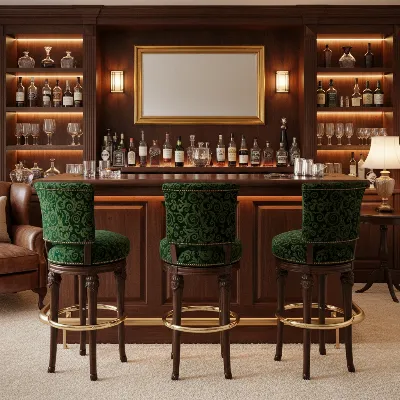 Comfortable high-back bar stools with plush upholstery at an elegant home bar, emphasizing support and style.
Beyond the Back: Other Considerations
Regardless of whether you choose backless or high-back, other factors play a vital role in your selection:
- Height: Always measure your counter or bar height. Counter-height stools are typically 24-26 inches, while bar-height stools are 28-30 inches. Ensure there’s approximately 9-12 inches between the top of the seat and the underside of your counter for comfortable legroom.
- Material: Materials like wood offer a classic, warm look, metal provides a modern, industrial feel, while upholstered options (leather, velvet, fabric) prioritize comfort and can add luxury. Plastic or acrylic stools are lightweight and often used for contemporary, easy-to-clean designs.
- Swivel & Adjustability: Swivel functions add versatility, allowing easy movement and conversation. Adjustable height mechanisms enhance adaptability for different users and counter heights, though they might add to the cost.
- Footrests: Essential for comfort in any bar stool, footrests prevent legs from dangling uncomfortably, reducing pressure on the thighs.
- Style & Design: Consider how the stools integrate with your existing décor. Modern, industrial, rustic, traditional, or transitional styles are available in both backless and high-back options.
Conclusion
The decision between backless and high-back bar stools is a personal one, shaped by your unique lifestyle, spatial constraints, and aesthetic preferences. Backless stools offer unmatched versatility, space-saving attributes, and a minimalist appeal, perfect for transient use or compact areas. High-back stools, conversely, prioritize superior comfort, security, and the opportunity to make a bold design statement, making them ideal for prolonged sitting and family-friendly environments. By carefully weighing these factors—from comfort and space to style and safety—you can confidently select the bar stools that will perfectly complement your home or business, enhancing both its functionality and visual charm. What kind of ambiance do you envision for your space: one of open, airy flexibility or one of inviting, supportive luxury?
Frequently Asked Questions
Are backless bar stools truly uncomfortable for everyone?
Backless bar stools are not inherently uncomfortable for everyone, but their comfort level depends heavily on the duration of use and individual posture. For short periods, such as a quick coffee or a brief chat, many find them perfectly acceptable. However, for extended sitting, the lack of back support can lead to fatigue and discomfort, especially for those with existing back concerns or who tend to slouch.
Do high-back bar stools always take up more space?
Generally, yes, high-back bar stools require more space than their backless counterparts. Their backrests prevent them from being fully tucked under counters or tables, meaning they occupy more floor space visually and physically. However, some slim-frame high-back designs exist that aim to minimize their footprint, though they will still be larger than a comparable backless stool.
What is the standard height difference between bar-height and counter-height stools?
Standard counter-height stools typically have a seat height ranging from 24 to 26 inches, designed for counters that are around 36 inches tall. Bar-height stools, on the other hand, usually feature a seat height of 28 to 30 inches, suiting bar tables that are approximately 40-42 inches high. It’s crucial to measure your specific counter or bar to ensure the correct stool height.
Are high-back bar stools suitable for small apartments?
While high-back bar stools provide excellent comfort and support, they can be less suitable for very small apartments due to their larger visual and physical footprint. They might make a compact kitchen or dining area feel more cramped. If space is a premium, consider low-back bar stools that offer some support without being as bulky, or opt for sleek backless designs that tuck away completely.
Frequently Asked Questions
Are backless bar stools truly uncomfortable for everyone?
Backless bar stools are not inherently uncomfortable for everyone, but their comfort depends on the duration of use. For short periods, such as a quick coffee, they are acceptable. However, for extended sitting, the lack of back support can lead to fatigue and discomfort, especially for those with existing back concerns.
Do high-back bar stools always take up more space?
Generally, yes, high-back bar stools require more space than backless counterparts because their backrests prevent them from tucking fully under counters. This means they occupy more floor space visually and physically. Some slim-frame high-back designs exist to minimize their footprint, but they will still be larger than a comparable backless stool.
What is the standard height difference between bar-height and counter-height stools?
Standard counter-height stools typically have a seat height of 24 to 26 inches, designed for counters around 36 inches tall. Bar-height stools usually feature a seat height of 28 to 30 inches, suiting bar tables approximately 40-42 inches high. It is crucial to measure your specific counter or bar to ensure the correct stool height.
Are high-back bar stools suitable for small apartments?
While high-back bar stools provide excellent comfort and support, they can be less suitable for very small apartments due to their larger visual and physical footprint. They might make a compact kitchen or dining area feel more cramped. If space is a premium, consider low-back bar stools that offer some support without being as bulky, or opt for sleek backless designs that tuck away completely.
What are the key benefits of backless bar stools?
Backless bar stools offer several key benefits, including space-saving design, enhanced mobility, and cost-effectiveness. They can be neatly tucked under counters, creating a clean, uncluttered look and maximizing floor space. Their lighter weight also makes them easier to move and rearrange for flexible seating.
When should I choose high-back bar stools over backless ones?
You should choose high-back bar stools when superior comfort and support are priorities, especially for extended sitting periods like meals, work, or prolonged socializing. They provide lumbar support, encourage better posture, and offer increased safety, making them ideal for families with children or in commercial settings where stability is crucial.

I liked the idea of backless stools for their minimalist look, and they do fit under my counter perfectly. However, I find myself wishing I had a backrest after about 20 minutes. They’re fine for a quick coffee, but for anything longer, they’re not super comfortable. I probably should have considered the ‘short-term use’ aspect more carefully.
My wife and I have an open-concept living area, and we were worried about bar stools making the space feel cluttered. The description of backless stools being ideal for open-concept layouts was spot on. We chose a simple design, and they blend in beautifully without breaking up the flow of the room. Very happy with the aesthetic.
We have a big family and spend a lot of time at our counter, so the emphasis on comfort and support for high-back stools really resonated with me. We ended up getting some with good lumbar support, and it’s made a huge difference during longer meals or when the kids are doing homework there. They’re a bit bulkier, but the comfort is worth it.
I was really torn between backless and high-back stools for my new kitchen island. After reading about how backless stools can be tucked away to maximize floor space, I went with a set of four. They look so clean and modern, and it’s amazing how much more open my kitchen feels now. Definitely the right choice for my smaller apartment.