Reupholstering an old bar stool is a manageable DIY project that can transform worn-out seating into stylish, comfortable pieces, typically taking 1-4 hours per stool depending on experience. This process involves detaching the seat, removing old fabric, cutting new upholstery fabric (approximately 1 yard for two stools), and stapling it securely before reassembling. It offers a cost-effective and sustainable alternative to buying new stools, allowing for complete customization of fabric and padding to match your home’s aesthetic.
Why Reupholster Your Bar Stool?
|
Our Picks for the Best Bar Stool in 2026
As an Amazon Associate I earn from qualifying purchases.
|
||
| Num | Product | Action |
|---|---|---|
| 1 | Counter Height Bar Stools Set of 2, 24 Inch Barstools for Kitchen Counter, Kitchen Stools with Bonded Leather Saddle Seats & Heavy Duty Metal Legs, Easy Assembly, All Black |

|
| 2 | Amazon Basics Solid Wood Saddle-Seat Counter Height Bar Stools for Kitchen Island with Footrest, 24-Inch Height, Walnut, Set of 2 |
|
| 3 | WORKPRO Heavy Duty Adjustable Hydraulic Shop Stool,Garage Bar Stool, 29in to 33.86in, 330-Pound Capacity, Black |
|
| 4 | 29 Inch Bar Height Bar Stools Set of 2, 29" Barstools for Kitchen Island Counter, Backless Bonded Leather Bar Height Stools with Thick Saddle Seats & Heavy Duty Metal Base, Easy Assembly, Brown/Black |
|
| 5 | Bar Stools, Set of 2 Bar Chairs with Backrest and Footrest, 26" Breakfast Chairs, Counter Stools for Bar, Living Room, Kitchen, and Dining Room, Rustic Brown and Black BAHR05101 |
|
| 6 | 24 Inch Counter Height Bar Stools Set of 2, Compact Counter Stools for Small Spaces, Premium Faux Leather Barstools with Right-Sized Saddle Seat & Metal Legs, 15-Minute Easy Assembly, Black |
|
| 7 | HOOBRO Bar Stools, Set of 2 Bar Chairs, 23.6 Inch Saddle Stools, Kitchen Counter Seat with Footrests, Industrial Barstools for Dining Room, Kitchen, Counter, Rustic Brown and Black BF02MD01 |
|
| 8 | Bar Stools Set of 2, Tall Bar Stools with Backrest and Footrest, Counter Height Bar Chairs, Industrial Barstools with PU Leather Cushion, for Kitchen, Dining Room, Bar, Cafe (Black) KBS515B |
|
| 9 | HOOBRO Bar Stools, Set of 2 Bar Chairs, Counter Height Stools, Saddle Barstools with Curved Surface, 24.8 Inches, 2.4" Thick Upholstery, for Kitchen, Dining Room, Cafe Black BB10BY01 |
|
| 10 | FDW Metal Bar Stools Set of 4 Counter Height Bar Stools 24 Inches Industrial Bar Chairs Patio Stool Stackable Backless Stool Indoor Outdoor Metal Kitchen Stools Bar Chairs (Black, 24") |
|
Reupholstering offers a multitude of benefits beyond mere aesthetics. First and foremost, it’s incredibly cost-effective. Replacing bar stools, especially a set, can be a significant expense, whereas the cost of fabric and a few tools is comparatively low. Secondly, it provides an unparalleled opportunity for personalization. You can choose from an endless array of fabrics, patterns, and textures, ensuring your stools are truly unique and integrate seamlessly with your interior design. Reupholstering is an eco-friendly choice, diverting perfectly good furniture frames from waste streams and extending their lifespan. It’s a rewarding project that allows you to express your creativity and enjoy custom-made furniture without the designer price tag.
Essential Tools and Materials You’ll Need
Before you begin, gathering all the necessary tools and materials will make the process smoother and more efficient. Having everything on hand minimizes interruptions and keeps your workflow seamless. For see our home furniture recommendations on this site.
Tools:
- Screwdriver or Drill: To detach the seat and backrest from the stool frame. Phillips or flathead will likely be needed.
- Staple Remover or Flathead Screwdriver: Essential for prying out old staples. A dedicated staple remover will save time and effort.
- Pliers: Helpful for gripping stubborn staples or nails that the remover can’t quite get.
- Hammer: To aid in removing old tacks or to tap new staples fully into place if your staple gun is manual.
- Sharp Scissors or Fabric Shears: For precise cutting of fabric, foam, and batting.
- Upholstery Staple Gun (Manual or Electric/Pneumatic): The primary tool for securing new fabric. An electric or pneumatic gun can reduce hand fatigue for multiple stools.
- Staples: Choose staples that are ¼” or ⅜” in length, suitable for upholstery work.
- Measuring Tape: For accurate measurements of the seat, foam, and fabric.
- Marker or Upholstery Chalk: For tracing patterns onto foam and fabric.
Materials:
- New Upholstery Fabric: The star of your project! Choose a fabric that is durable and appropriate for bar stool use.
- High-Density Foam (Optional): If your existing foam is flattened, cracked, or worn, replacing it will significantly improve comfort and longevity.
- Upholstery Batting (Optional): Adds an extra layer of softness, smooths out the foam, and creates a more rounded, professional look.
- Gloves (Optional): To protect your hands, especially when removing old staples.
Choosing the Right Fabric for Your Bar Stool
Selecting the perfect fabric is crucial for both the aesthetics and durability of your newly upholstered bar stools. Since bar stools often experience high traffic and potential spills, prioritizing durability and ease of cleaning is paramount.
When considering fabric, look for options with a high “double rub” count, which indicates wear resistance. A count of 15,000 or more is generally recommended for residential use, while commercial settings may require 30,000+.
Here are some excellent choices:
- Vinyl/Faux Leather: These are exceptionally durable, easy to wipe clean, and resistant to spills and stains. They mimic the look of real leather at a more affordable price point and are great for busy kitchens or homes with kids and pets.
- Microfiber: Known for its softness, durability, and stain resistance, microfiber is a fantastic option. Many microfiber fabrics are easy to clean with just water and mild soap, making them ideal for areas prone to food and drink spills.
- Crypton/Performance Fabrics: These engineered fabrics are designed for unbeatable performance. They resist stains, odors, moisture, and bacteria, making them perfect for homes with active families or pets.
- Outdoor Fabric (e.g., Sunbrella): If your bar stools are destined for an outdoor bar or a sun-drenched area, outdoor fabrics are a must. They are fade-resistant, water-repellent, and built to withstand the elements, offering comfort and style.
- Velvet: While luxurious and soft, certain high-quality upholstery velvets can be quite durable and surprisingly easy to clean, often requiring just a damp cloth for spills. Consider a synthetic velvet for increased resilience.
- Blended Fabrics (e.g., Cotton-Polyester blends, Acrylic): Natural fibers like cotton and linen can be beautiful but may wrinkle or stain more easily on their own. Blending them with synthetics like polyester or acrylic significantly enhances their durability, stain resistance, and longevity. Acrylic, in particular, offers excellent resistance to fading, moisture, and wear.
Consider the overall style of your home. A sleek vinyl might suit a modern kitchen, while a textured performance fabric could complement a rustic or transitional space. Don’t be afraid to experiment with patterns and colors that reflect your personal taste.
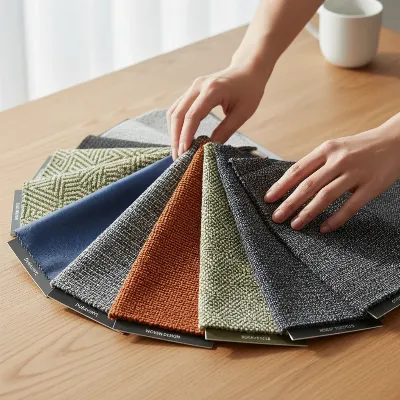 A woman choosing upholstery fabric samples for a bar stool, with various colors and textures laid out on a table, soft natural light, editorial style
Step-by-Step Guide to Reupholstering Your Bar Stool
This detailed guide will take you through each stage of the reupholstery process, ensuring you achieve a professional-looking finish.
Step 1: Prepare Your Workspace and Gather Tools
Before diving in, set up a clean, well-lit workspace. Lay down an old blanket or drop cloth to protect your floors and prevent scratches on the stool components. Ensure all your tools and materials are within easy reach. This preparation step can significantly impact the efficiency and enjoyment of your project.
Step 2: Disassemble the Bar Stool Seat
Begin by flipping your bar stool upside down on your protected surface. Locate the screws or bolts that attach the seat cushion (and backrest, if applicable) to the stool frame. Using the appropriate screwdriver or drill bit, carefully unscrew these fasteners. Place all hardware in a small, labeled container or a zip-top bag. This meticulous organization will be invaluable when it’s time for reassembly. Gently lift the seat and any backrest components away from the frame.
Step 3: Remove Old Upholstery and Padding
Now comes the stripping process. Use your staple remover or a flathead screwdriver to pry up the old staples holding the fabric to the wooden base. Work carefully to avoid damaging the wooden base or yourself. Pliers can be very useful for gripping and extracting stubborn staples. Once all staples are removed, gently peel away the old fabric. If you intend to use the old fabric as a pattern for cutting your new fabric, try to remove it in one piece.
After removing the fabric, inspect the existing foam and batting. If the foam is flattened, crumbly, or has lost its resilience, it’s best to replace it for optimal comfort. Similarly, replace old batting if it’s matted or torn. Use a vacuum or a damp cloth to clean any dust or debris from the wooden seat base.
Step 4: Cut New Foam and Batting (Optional)
If you’re replacing the foam, place the wooden seat base directly on top of your new high-density foam. Use a marker or chalk to trace precisely around the base. Carefully cut the foam to this shape using sharp scissors or a utility knife, ensuring smooth edges.
Next, if adding batting, place the new foam on the wooden base. Drape the upholstery batting over the foam, allowing it to extend a few inches past the edges of the wooden base. Smooth it down, trim any significant excess, and secure it temporarily to the underside of the seat with a few staples. This will hold the foam and batting in place during the next step.
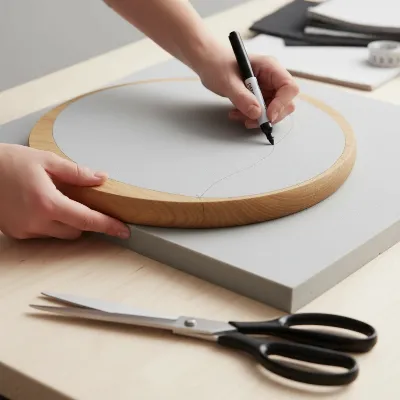 Hands tracing a bar stool seat onto high-density foam, with sharp scissors nearby, in a DIY workshop setting, bright and clear lighting, instructional style
Step 5: Cut New Fabric
Lay your chosen upholstery fabric face down on a large, flat surface. Place the seat cushion (with new foam and batting, if applicable, facing down) on top of the fabric. Use your marker or chalk to trace around the perimeter of the cushion. Important: Add an allowance of 2 to 3 inches beyond your tracing line all the way around. This extra material is crucial for securely wrapping and stapling the fabric to the underside of the seat base. Cut the fabric carefully along your marked lines. For patterned fabrics, take a moment to consider the placement of the pattern before cutting to ensure it will look good when centered on the stool.
Step 6: Attach the New Fabric
This is where your bar stool truly begins its transformation.
- Center and Anchor: Place the seat cushion face down on the center of your new fabric. Ensure the fabric is evenly distributed around all sides. Choose one side and staple the fabric to the underside of the wooden base, starting from the very center of that side. This initial staple acts as an anchor.
- Work Outwards: Move to the opposite side, pull the fabric taut, and place another staple in its center. Then, repeat this for the remaining two sides. This “cardinal directions” approach helps distribute tension evenly.
- Continue Stapling: Now, working from your center staples outwards, continue stapling along each side. As you staple, consistently pull the fabric taut to ensure a smooth, wrinkle-free surface on the top of the cushion. Keep staples about 1/2 to 1 inch apart for a secure hold.
- Handle Corners: Corners require special attention. For rounded seats, you’ll need to create small, neat pleats or tucks to gather the excess fabric smoothly. For square seats, fold the fabric neatly, creating crisp corners, and secure with staples. The goal is to minimize bulk and create a clean line. Practice on a scrap piece of fabric if you’re unsure.
Step 7: Trim Excess Fabric and Reassemble
Once all sides and corners are securely stapled, trim any significant excess fabric from the underside of the seat, leaving about 1/2 inch beyond the staples. This reduces bulk and gives a cleaner finish. Be careful not to cut too close to your staples.
Finally, align the newly upholstered seat with the stool frame, matching the screw holes. Reattach the seat using the original screws or bolts, making sure they are securely tightened. If you also reupholstered a backrest, follow the same steps to attach it.
Tips for a Professional Finish
Achieving a professional look is all about attention to detail.
- Pre-stretch Fabric: For certain fabrics, a slight pre-stretch before stapling can help achieve a super snug, wrinkle-free fit.
- Practice Corners: Corners are often the trickiest part. If you’re new to upholstery, practice folding and stapling corners on a scrap piece of fabric and wood until you get the hang of it.
- Consistent Tension: Maintain consistent, firm tension as you staple. Uneven tension is the primary cause of wrinkles or sagging spots.
- Ample Staples: Don’t be shy with staples. Using enough staples, spaced appropriately, ensures the fabric is securely fastened and will withstand use.
- Clean and Polish the Frame: While the seat is off, take the opportunity to clean, polish, or even paint the stool’s frame. This ensures the entire piece looks refreshed and cohesive with your new upholstery. Use wood oil for wooden frames to enhance their appearance.
> “The secret to a truly professional reupholstery job lies in the tension. Pull the fabric firmly, but evenly, and your results will speak for themselves.” – Jane Doe, Expert Upholsterer and DIY Enthusiast
Common Mistakes to Avoid
Even experienced DIYers can make mistakes. Being aware of these common pitfalls can help you avoid them:
- Not Removing All Old Staples: Leaving old staples can create bumps or tears in your new fabric. Take the time to remove every single one.
- Using the Wrong Fabric Type: Choosing a decorative fabric not suited for upholstery will lead to quick wear and tear. Always opt for durable upholstery-grade fabrics.
- Uneven Fabric Tension: This is the most common cause of a sloppy finish, resulting in wrinkles, puckers, or a loose fit. Always pull the fabric taut and evenly.
- Not Leaving Enough Fabric Allowance: Cutting the fabric too close to the seat’s edge leaves insufficient material to pull and staple securely, making the job much harder.
- Forgetting to Replace Old Padding: If the foam or batting beneath the old fabric is worn, simply covering it with new fabric won’t solve the comfort issue and may result in an uneven look.
Maintenance Tips for Your Newly Upholstered Stool
Once your bar stools are beautifully reupholstered, proper care will ensure they stay looking fresh for years.
- Clean Spills Immediately: Act quickly to blot spills. Different fabrics require different cleaning methods, so refer to your fabric’s care instructions.
- Regular Vacuuming: Use a soft brush attachment to vacuum your upholstered stools regularly. This removes dust, crumbs, and pet hair, preventing them from embedding in the fabric.
- Spot Cleaning: For specific stains, follow the fabric manufacturer’s recommendations for spot cleaning solutions and techniques. Always test in an inconspicuous area first.
- Avoid Direct Sunlight: Prolonged exposure to direct sunlight can fade fabrics over time. If possible, position your stools away from harsh sunbeams or use window coverings.
Conclusion
Reupholstering an old bar stool is a gratifying DIY project that brings old furniture back to life with a personalized touch. From selecting the perfect durable fabric to meticulously stapling each corner, the process is an empowering journey that culminates in beautiful, custom-made pieces for your home. Not only do you save money and contribute to sustainability, but you also gain the immense satisfaction of transforming something worn into something wonderfully new. So, why not gather your tools, choose your fabric, and embark on this creative endeavor? Your rejuvenated bar stools are waiting.
What custom touches will you add to make your bar stools truly yours?
Frequently Asked Questions
How much fabric do I need to reupholster a bar stool?
For a typical bar stool seat, you will usually need about 1 yard of 54-inch wide upholstery fabric per two stools. However, it’s always best to measure your specific stool’s seat diameter or dimensions and add 2-3 inches on all sides for wrapping and stapling to ensure you have enough material.
Can I reupholster a bar stool with a backrest?
Yes, reupholstering a bar stool with a backrest follows a similar process. You’ll typically detach both the seat and the backrest from the frame, remove the old fabric, cut new fabric for both components, and then staple the new fabric to each before reattaching them to the stool frame.
How do I clean my newly upholstered bar stool?
The cleaning method depends entirely on your chosen fabric. Always refer to the fabric manufacturer’s care instructions. Generally, spills should be blotted immediately, and regular cleaning can involve vacuuming with a brush attachment and spot cleaning with appropriate, gentle upholstery cleaners.
What’s the hardest part of reupholstering a bar stool?
Many DIYers find consistently pulling the fabric taut and neatly handling the corners to be the most challenging aspects. Achieving a smooth, wrinkle-free finish requires practice and patience, especially when working with curved edges or patterned fabrics that need precise alignment.
How long does it take to reupholster a bar stool?
The time required varies depending on your experience level, the complexity of the stool, and whether you’re replacing foam or batting. For a simple round seat, an experienced person might take 1-2 hours per stool, while a beginner could take 3-4 hours or more for their first stool.
Frequently Asked Questions
How much fabric is needed to reupholster a standard bar stool?
For a typical bar stool seat, approximately 1 yard of 54-inch wide upholstery fabric is usually sufficient for two stools. Always measure your specific stool's dimensions and add 2-3 inches on all sides for wrapping and stapling to ensure adequate material.
Can a bar stool with a backrest be reupholstered effectively?
Yes, reupholstering a bar stool that includes a backrest follows a similar process to a seat-only stool. You will need to detach both the seat and the backrest components from the frame, remove the old fabric, cut new fabric for each, and then staple the new material before reattaching them.
What is the best way to clean a newly upholstered bar stool?
The optimal cleaning method for your newly upholstered bar stool depends entirely on the specific fabric you chose. Always consult the fabric manufacturer's care instructions for guidance. Generally, spills should be blotted immediately, and routine cleaning can involve vacuuming with a soft brush attachment and spot cleaning with appropriate, gentle upholstery cleaners.
What is the most challenging part of reupholstering a bar stool for DIYers?
Many DIY enthusiasts find that consistently pulling the fabric taut and neatly handling the corners are the most challenging aspects of reupholstering a bar stool. Achieving a smooth, wrinkle-free finish requires practice and patience, especially when dealing with curved edges or patterned fabrics that demand precise alignment.
How long does it typically take to reupholster a single bar stool?
The time required to reupholster a bar stool varies based on your experience level, the complexity of the stool's design, and whether you are replacing foam or batting. For a simple round seat, an experienced individual might complete the task in 1-2 hours, while a beginner could take 3-4 hours or more for their first stool.
Reupholster Your Bar Stool
Transform your old bar stools into stylish, comfortable seating with this step-by-step DIY guide. Learn how to disassemble, strip, re-pad, and re-cover your bar stool for a professional finish.
Set up a clean, well-lit workspace, laying down a protective blanket or drop cloth. Ensure all necessary tools like screwdrivers, staple removers, staple guns, and sharp scissors, along with materials like new fabric and optional foam/batting, are within easy reach. This preparation minimizes interruptions and improves efficiency.
Flip the bar stool upside down and carefully unscrew the seat (and backrest, if applicable) from the frame, storing all hardware securely. Use a staple remover or flathead screwdriver to pry out all old staples, then gently peel away the old fabric. Inspect and replace old foam or batting if it's flattened or worn for optimal comfort and appearance.
If replacing, trace the wooden seat base onto new high-density foam and cut precisely. Drape upholstery batting over the foam and seat, securing it temporarily. Lay your new upholstery fabric face down, place the seat cushion (with foam/batting) on top, and trace around it, adding a 2-3 inch allowance for stapling. Cut the fabric carefully, considering pattern placement.
Center the seat cushion face down on your new fabric. Begin by stapling the fabric to the underside of the wooden base at the center of each of the four sides, pulling the fabric taut. Continue stapling outwards from these anchor points, maintaining consistent tension to prevent wrinkles. For corners, create neat pleats or folds to minimize bulk and secure with staples.
Once all sides and corners are securely stapled, trim any significant excess fabric from the underside of the seat, leaving about 1/2 inch beyond the staples for a cleaner finish. Finally, align the newly upholstered seat with the stool frame, matching the screw holes, and reattach it using the original screws or bolts, ensuring they are securely tightened.

I finally tackled reupholstering my kitchen bar stools after reading about how easy it could be. The guide was spot on about the time commitment; I finished two stools in an afternoon, probably about 3 hours total. It’s amazing how much a fresh fabric can change the whole look of the kitchen without having to buy new furniture. Definitely a cost-effective solution!
This project was a game-changer for my worn-out bar stools. I loved the idea of being able to completely customize the fabric to match my dining area. It was surprisingly straightforward to detach the seat and reassemble everything. My stools look fantastic now, and it feels good to have given them a second life instead of sending them to a landfill.
I tried reupholstering my bar stools, and while the idea of customization is great, it took me way longer than the 1-4 hours mentioned. Maybe I’m just slow, but getting the old fabric off and then cutting the new pieces precisely was a bit of a struggle. The end result is okay, but I wish it had been a smoother process. Still, it was cheaper than buying new ones.
I’ve been wanting to update my bar stools for ages, and this DIY approach was exactly what I needed. I appreciated the tip about needing about a yard of fabric for two stools; that helped me plan my purchase perfectly. The stapling part was a bit trickier than I expected to get it really taut, but overall, I’m happy with the custom look I achieved. My old stools feel brand new.